
Good content cannot depend on who happened to write it.
Without a shared method, writers make different decisions about structure, context, terminology, boundaries, and reuse. Review becomes subjective, content diverges, and every new channel or AI workflow inherits the inconsistency.
The same kind of information is organized differently from one writer or team to the next.
Reviewers correct style and structure because quality expectations are implicit.
Content carries hidden context and assumptions that make reuse harder to govern safely.
If the standard is not explicit, AI-assisted workflows are left to infer what good content should look like.
A disciplined way to make content decisions.
The methodology gives writers a repeatable sequence for moving from source information to clear, structured, reusable content.
Classify→
Structure→
Write→
Reuse
Analyze the intent
Define what the user needs to understand, decide, find, or do.
Classify the information
Identify the information type based on purpose, not appearance.
Apply the structure
Use predictable patterns that make relationships and boundaries explicit.
Write with precision
Use clear, consistent language rules that reduce ambiguity and interpretation.
Design for reuse
Create focused content that can travel more safely across contexts and channels.
Five information types. One common language.
Every piece of technical content has a job to do. Once writers identify that job, the structure stops being arbitrary.
What is it?
Explains an idea, object, or subject so the reader understands what it is and why it matters.
How do I do it?
Helps someone accomplish an objective through clear actions, prerequisites, and expected results.
What do I need to know?
Provides facts, values, specifications, options, definitions, and other lookup information.
How does it work?
Explains a flow, lifecycle, sequence, or relationship so the reader understands how something unfolds.
What rules govern this?
Makes policies, constraints, requirements, guidance, and decision criteria explicit.
That is how Precision Content turns intuition into a shared organizational practice.
Same information. Different architecture.
This is not a formatting change. It is what happens when writers stop treating the content as one document and start making purpose, structure, boundaries, and relationships explicit.
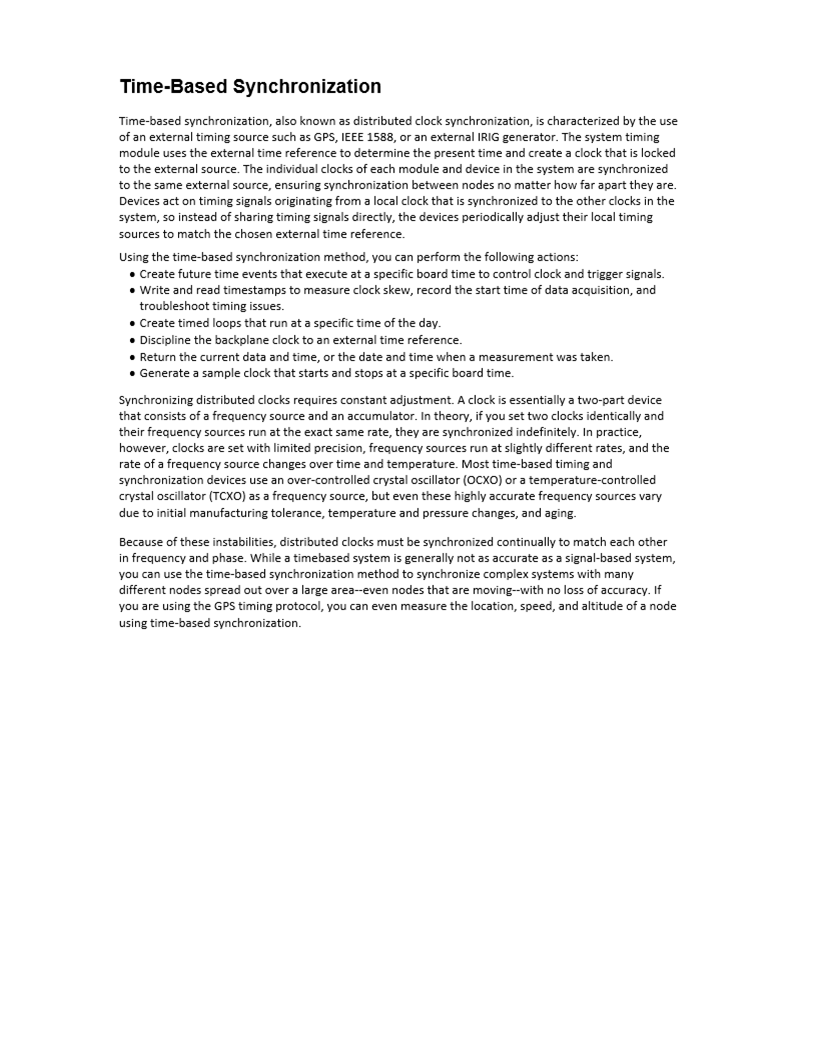
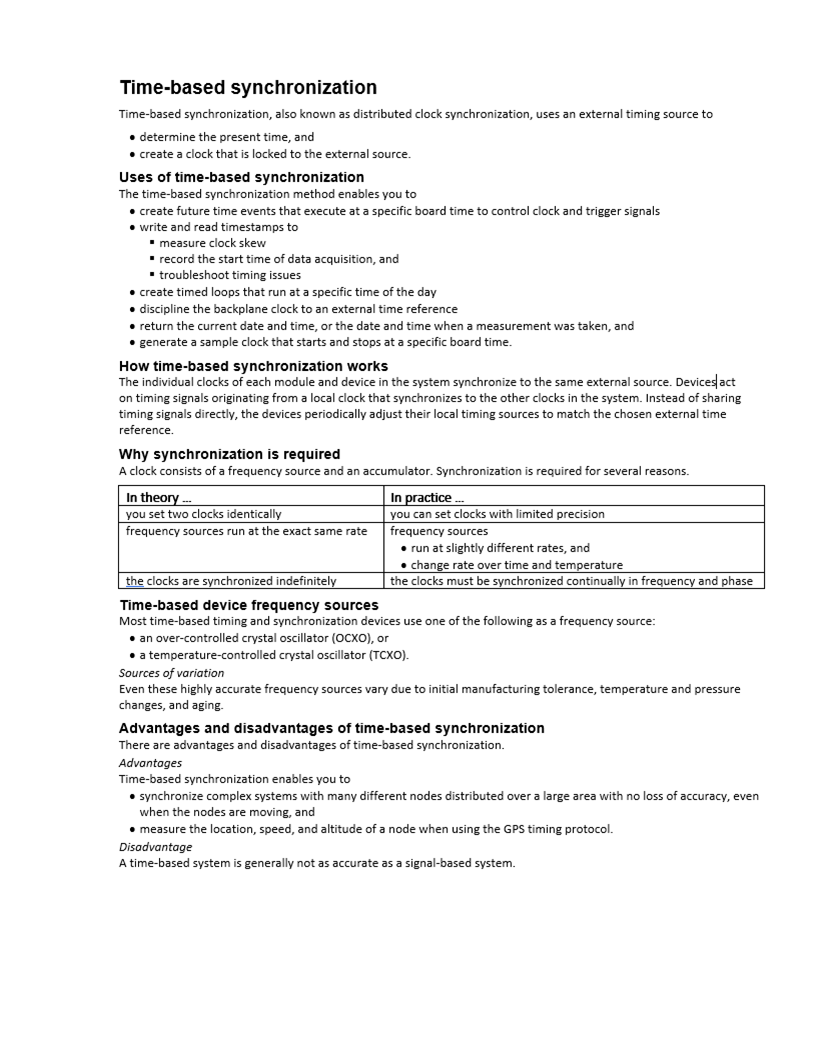
It is content that depends on individual judgment → content created against an explicit standard.
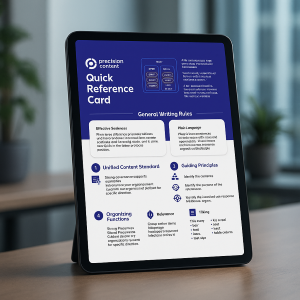
Keep the five information types beside you while you write.
Download the Precision Writing Quick Reference Card and start recognizing the five content patterns immediately.
Better structure changes content performance.
Faster answers, clearer decisions, and greater confidence.
Less ambiguity, fewer rewrites, and a repeatable way to work.
More reuse, stronger governance, and lower maintenance effort.
More explicit structure, cleaner context, and stronger source content.
When content gets better, performance follows.
Learn it. Apply it. Scale it.
Team Training
Teach writers the methodology, practice it together, and build one shared content standard across the team.
Content Transformation
Use the methodology to refactor selected legacy content and establish a repeatable model for broader modernization.
Content Operations
Operationalize the standard through structured content, governance, workflows, technology, and AI-assisted authoring.
Define what good content looks like. Then make it repeatable.
Start by teaching the methodology, applying it to real content, or identifying where a shared content standard can create the greatest value.